Improve Teamwork In Every Free Fire Squad
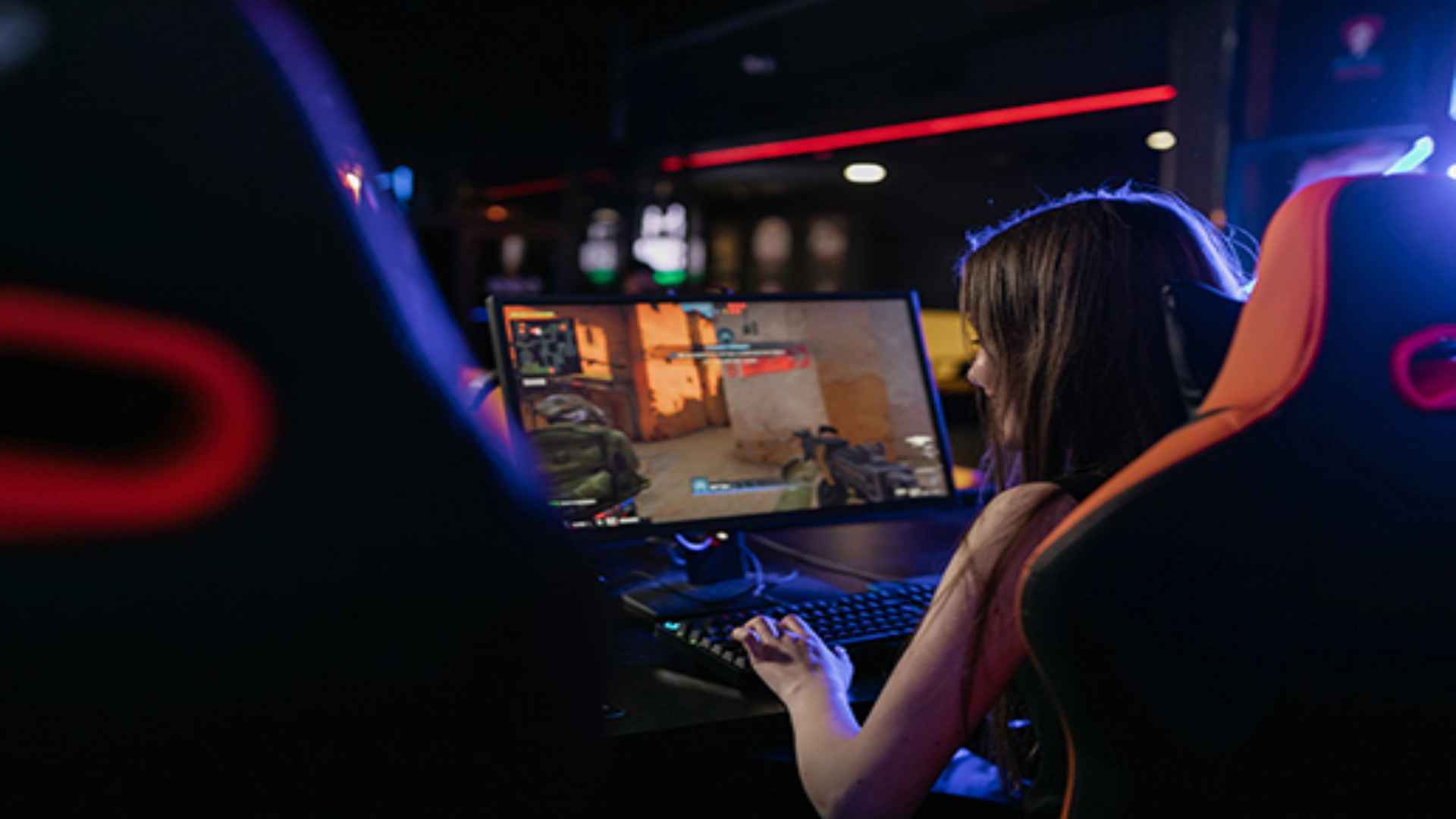
Succeeding in Free Fire squads demands much more than individual gunplay mastery or quick reflexes. True tactical superiority is achieved when four players operate as a single, cohesive unit on the digital battlefield. By refining collective communication, distributing distinct combat responsibilities, and coordinating movements, any team can drastically improve their synergy and secure consistent Booyahs.
Establishing clear communication channels and roles
Before launching into a match, a squad must determine who will make the critical tactical decisions during intense firefights. Designating an experienced shot-caller ensures the team moves efficiently without conflicting commands during high-pressure moments. Every player should also adopt specific roles like support or entry fragger to maintain balance during aggressive pushes.
Using precise location pings and concise vocal cues prevents confusion when pinpointing moving targets. When players share relevant info regarding enemy positions and available resource reserves, the team avoids unnecessary risks. This structural discipline forms the baseline for high-level competitive performance.
Mastering Synchronized Looting and Map Rotations
Effective resource distribution during the early game prevents squad members from competing for identical loot zones. Splitting the drop location logically allows everyone to gather sufficient armor, medkits, and ammunition efficiently. A well-equipped support player can then effectively distribute utility items like Gloo Walls to frontline attackers.
When rotating toward the shrinking safe zone, maintaining tight but flexible positioning keeps the group safe from ambushes. Moving together through natural cover ensures that isolated members are never caught off guard by full enemy teams. Synchronized movement allows players to trade kills instantly if a teammate gets knocked down unexpectedly.
Executing Combined Fire and Cover Strategies
Winning direct squad engagements relies heavily on focusing fire toward a single target to eliminate threats rapidly. Support players should provide suppressive cover fire while the primary attackers push forward under protection. This cooperative pressure quickly breaks down defensive setups and creates openings to breach fortified positions.
Mastering defensive coordination is just as critical as executing aggressive offensive pushes. When a team member falls, deploying multiple Gloo Walls immediately provides a safe window for a rapid revival attempt. Maintaining a calm composure under pressure ensures the squad executes these defensive maneuvers flawlessly.
Analyzing Combat Mistakes for Long Term Growth
Consistency in competitive battle royale games is built on learning from every match, whether it results in a victory or a defeat. Dedicating time after games to review poor rotations or failed team pushes helps identify persistent tactical weaknesses. Embracing an open feedback culture allows individual players to refine their positioning without friction.
Regular practice sessions build the shared muscle memory needed to anticipate a teammate's next tactical move naturally. Teams that actively adapt to new character ability metas and weapon balances remain ahead of standard opposition. Mutual trust combined with continuous strategic adjustments transforms an average group into an unstoppable squad.