How To Guide Your Partnership Toward Better Contracts
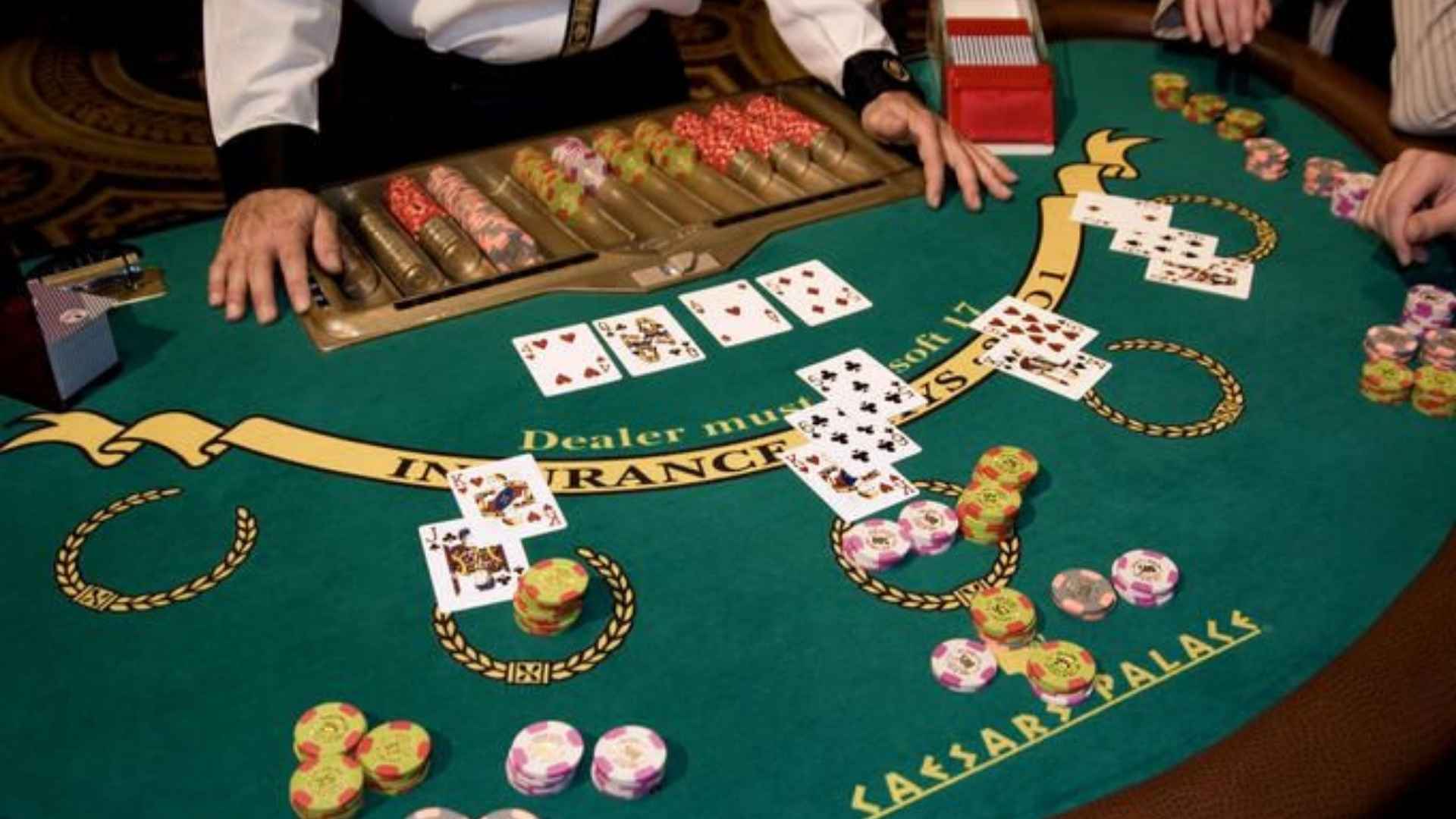
Navigating the auction in contract bridge requires a shared strategic vision between partners to consistently reach optimal contracts. When two players align their bidding evaluation and communication methods, they significantly reduce unforced errors at the table. Guiding your partnership toward superior contract selection involves structured analysis, disciplined bidding, and ongoing post-game discussions.
Establishing Clear Bidding Agreements
A solid bidding agreement serves as the foundation for accurate hand evaluation and contract selection. Partnerships must ensure they share the same understanding of basic system responses, forcing bids, and game-try conventions. Having clear guidelines eliminates confusion during high-pressure competitive auctions.
When players understand the exact point ranges and suit lengths implied by each call, decision-making becomes far more accurate. This clarity allows pairs to explore potential game or slam contracts without taking unnecessary risks. Consistent communication during the auction naturally leads to higher scoring potential.
Evaluating Hand Fit Beyond Point Counts
While high-card point counting offers a reliable baseline, expert partnerships place equal emphasis on suit distribution and honor synergy. Recognizing how two hands fit together helps partners determine whether to push for ambitious contracts or stay in a safe partial. Evaluating joint holding strength prevents overbidding when distributions are unfavorable.
Partners who actively account for short suits, working honors, and trump quality make much better final contract decisions. Players who practice strategic evaluation across various competitive settings, including online platforms like wd boss slot, learn to assess risk and reward more effectively. Refining hand fit judgment ensures long-term consistency at the table.
Navigating Competitive Auctions Safely
Opponents frequently enter the bidding to disrupt communication and steal bidding space. Successful partnerships remain disciplined under pressure and avoid making emotional overcalls or competitive pushes. Establishing simple rules for forcing passes and defensive doubles helps maintain control when the auction gets noisy.
By staying composed, partnerships can accurately weigh the penalty value against the score of their own prospective contract. Knowing when to let opponents play versus when to push one level higher is a critical skill for any competitive pair. Calm calculation routinely outperforms hasty bidding under competitive stress.
Conducting Post-Session Hand Reviews
Continuous improvement requires partners to review difficult hands and bidding misunderstandings after every session. Analyzing miscommunications in a constructive, objective manner helps refine partnership agreements for future matches. Documenting recurring bidding dilemmas ensures that both players learn from past mistakes.
Taking time to discuss alternative bidding paths builds mutual trust and sharpens strategic alignment over time. Over time, these regular post-session evaluations create a seamless partnership capable of reaching optimal contracts consistently.